Emergency Response to Hazardous Substance Releases: A Complete Guide

Understanding HAZWOPER Emergency Response Training

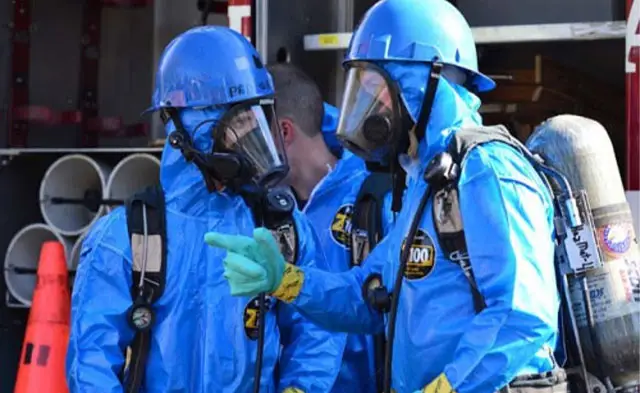
The Emergency Response to Hazardous Substance Releases is a critical component of HAZWOPER (Hazardous Waste Operations and Emergency Response) training, mandated by OSHA under 29 CFR 1910.120(q). This regulation applies to workers responding to chemical spills, toxic leaks, and hazardous material (HAZMAT) incidents in various industries.

Emergency response teams must be properly trained to handle hazardous substance releases safely, ensuring worker protection, regulatory compliance, and public safety.

Who Needs Emergency Response HAZWOPER Training?

Industries and Job Roles That Require This Training

    • Firefighters & First Responders – Handling chemical fires and hazardous spills.
    • HAZMAT Response Teams – Managing toxic leaks and decontamination efforts.
    • Industrial & Manufacturing Workers – Addressing accidental chemical releases in factories and plants.
    • Oil & Gas Industry Workers – Responding to pipeline leaks and fuel spills.
    • Environmental Cleanup Crews – Cleaning EPA Superfund sites and hazardous waste spills.
    • Transportation & Logistics Workers – Handling hazardous material spills in transit (DOT Hazmat regulations apply).


Did You Know? OSHA requires all emergency responders dealing with hazardous substances to complete the appropriate HAZWOPER certification.

HAZWOPER Emergency Response Training Levels

OSHA categorizes emergency response training into different levels based on the level of responsibility and exposure risk.

First Responder Awareness Level (FRA) – Awareness & Reporting

For workers who may witness a hazardous release but do not take action.
Key Training Topics:
Recognizing hazardous substances
Emergency notification procedures
Understanding the Hazard Communication Standard (HCS)
Duration: Typically 4–8 hours
Enroll in FRA Training
First Responder Operations Level (FRO) – Defensive Response

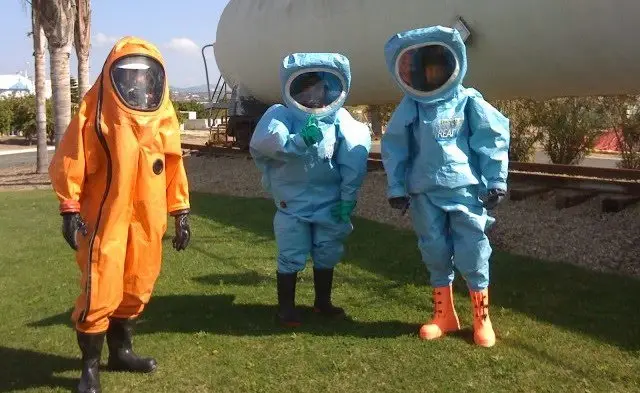
For workers who contain spills from a safe distance (e.g., factory workers, security personnel).
Key Training Topics:
Basic spill containment techniques
PPE (Personal Protective Equipment) selection
Understanding Material Safety Data Sheets (MSDS)
Duration: 8–24 hours
Start FRO Training
Hazardous Materials Technician – Hands-on Response

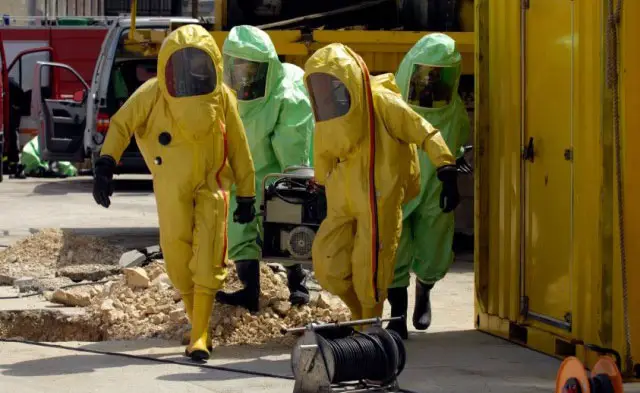
For those who actively stop hazardous releases (e.g., HAZMAT teams, chemical plant workers).
Key Training Topics:
Advanced spill containment & control measures
Decontamination procedures
Respiratory protection & SCBA (Self-Contained Breathing Apparatus)
Duration: 24–40 hours
Get Technician Certification
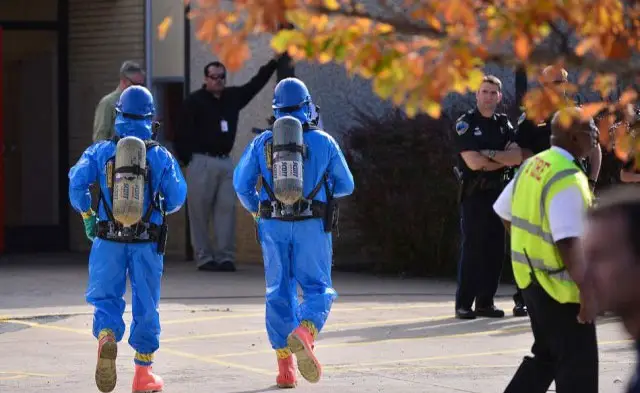
Hazardous Materials Specialist – Advanced Response

Supervisory role overseeing HAZMAT teams & emergency response operations.
Requires knowledge of HAZMAT regulations, OSHA compliance, and toxicology.
Duration: 24+ hours
Learn More

On-Scene Incident Commander (IC) – Leadership Role

For managers & supervisors directing hazardous emergency response efforts.
Key Training Topics:
Incident command system (ICS)
Coordinating emergency response teams
OSHA & EPA reporting requirements
Duration: 24–40 hours
Become an Incident Commander

Why Emergency Response HAZWOPER Training is Critical

  1. Ensures OSHA Compliance – Prevents legal penalties and regulatory violations.
  2. Protects Workers & the Public – Reduces injury risks from toxic exposures.
  3. Minimizes Environmental Damage – Controls hazardous waste spills efficiently.
  4. Enhances Job Readiness – Required for employment in HAZMAT-related fields.

HAZWOPER Certification Requirements & Renewal

  • Initial training must be completed before working in hazardous environments.
  • An annual 8-hour refresher course is required to maintain certification.
  • Workers who fail to complete the refresher may need to retake the full course.